Sediment Filtration
Removal of Silt, Sand, Heavy Metals & Particles
What is the Purpose/Use of a Sediment Filter?
Remove Big Particles
Effective in removal of sand, silt, heavy metals
First Line of Defense
First filter cartridge to stop solid particles from damaging other filter cartridges
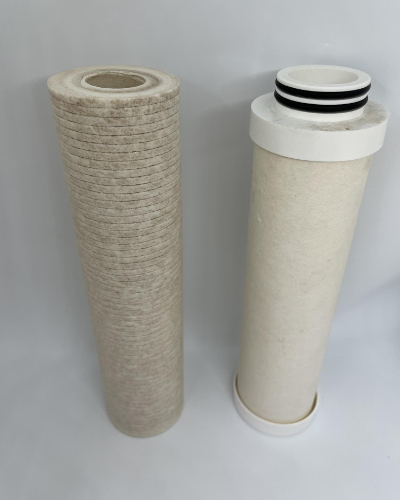
Sediment filter is the guardian for any water source that enters into a household. This filter is effective in the removal of sand, silt, heavy metal, and other particles found in water. Like a fish net, it does so by trapping unwanted dirt particles that flow through water systems.
For landed properties, sediment filters can come in the form of a large container of natural media or in layman terms the bed (sand, anthracite, etc.). When the water passes through this bed, suspended solids get trapped, leaving all sediment behind so water coming into your home is free from suspended solids. On the other hand, in public housing built by the Housing & Development Board (HDB) or in private condominiums, sediment filters are usually installed behind faucets or as a part of a complete water filtration system.

The secondary function of sediment filters is to prohibit solid particulate from impeding the performance of any filters installed after the sediment filters.
Depending on the reliability of the water source, trace pathogen elements, heavy metals, and volatile organic compounds can still remain in the water. They can slip through sediment filters if they are smaller in micron size as compared to the sediment filters.
How Many Microns Should Your Sediment Filter be?
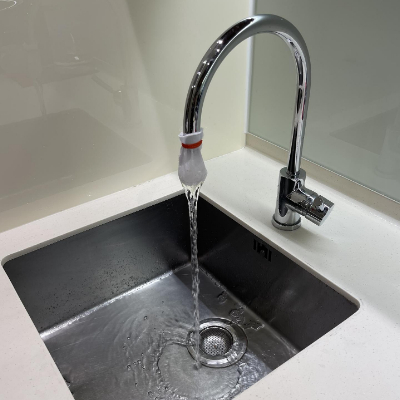
In Singapore, we are fortunate to have a good source of water from our Singapore Public Utilities Board (PUB). The water is clean and safe to drink directly from taps. Therefore, large containers of natural media to help remove big amount suspended solids or sediment filters with extremely small micron size are unnecessary. Instead, basic sediment filter to remove any suspended solids or rust that enter the water, during water transmission processes from water treatment plants to water tanks, are sufficient.
Are you still using the old school cloth filter that your parents or grandparents use? Time to throw it away as the bacteria can growth on it, contaminating the water.
Filter Spectrum

These suspended solids and rust are usually bigger than 10 microns. To put things into perspective, the diameter of the human hair is about 50 to 70 microns, and the human eye can see up to 40 microns with the naked eye. Hence, all that is needed to filter out most of the fine sand, silt, and rust that exists in the water pipeline. is a 10 micro sediment filter. And this is the sediment filter used by Blue Heale. Among all the different type sediment filters, we utilise the 10 micron Polypropylene sediment filter for our water filtration systems. It is the most effective and cost efficient method of removing suspended solids for Singapore tap water.
How Often Should I Change my Sediment Filter?
There is no definite time span indicating when you should change your sediment filters. However, many companies recommend the changing of sediment filters after 1 year of use. Influencing this decision, however are 2 key factors - the type of sediment filters and pipe condition. Therefore, we suggest users monitor their sediment filters condition and water flow rate regularly to accurately determine when their sediment filters should be changed.


With the sediment water filter cartridge housed in a transparent casing, Blueheale’s water filtration system is designed to allow the user to observe the level of particles in the water via observable color change of the filter. If the filter turns yellow quickly, this indicates the presence of large numbers of particles such as heavy metals in the pipe that result in the observed oxidation and the filter should be changed. If this color change is observed along with slow water flow rate experienced, we recommend the change of the filter immediately.